Insurance News: What Changing Risk Costs You
Insurance is where future risk becomes this year’s bill. We track the forces pushing premiums up, the new products trying to respond and the fine print that decides whether a claim is paid. Every story below is reported and edited by our team, with context, practical detail and primary sources you can follow.
How we report on insurance news
Each insurance news guide follows the same routine: a clear question, current primary sources and a worked example. We link the references we used and correct errors in public when we find them.
How to get the most from insurance news
Start with the decision you are actually facing, whether that is how much cash to hold, which cover to renew or how to compare two loan offers. Our stories are written to be useful before and after the purchase, and the two below cover different sides of the same subject. Read both Home Insurance Premiums in 2026 and Parametric Insurance for the full picture.
When this subject matters most
Insurance renewals cluster around the anniversary of purchase, which is also the moment you have the most leverage. Start shopping six weeks early, compare identical cover and ask what mitigation discounts exist. Do not let a policy lapse while you decide, and do not assume loyalty is rewarded. In most markets, a competitive quote is the only reliable way to keep a premium honest. Background: how insurance transfers risk.
What our editors found in 2026
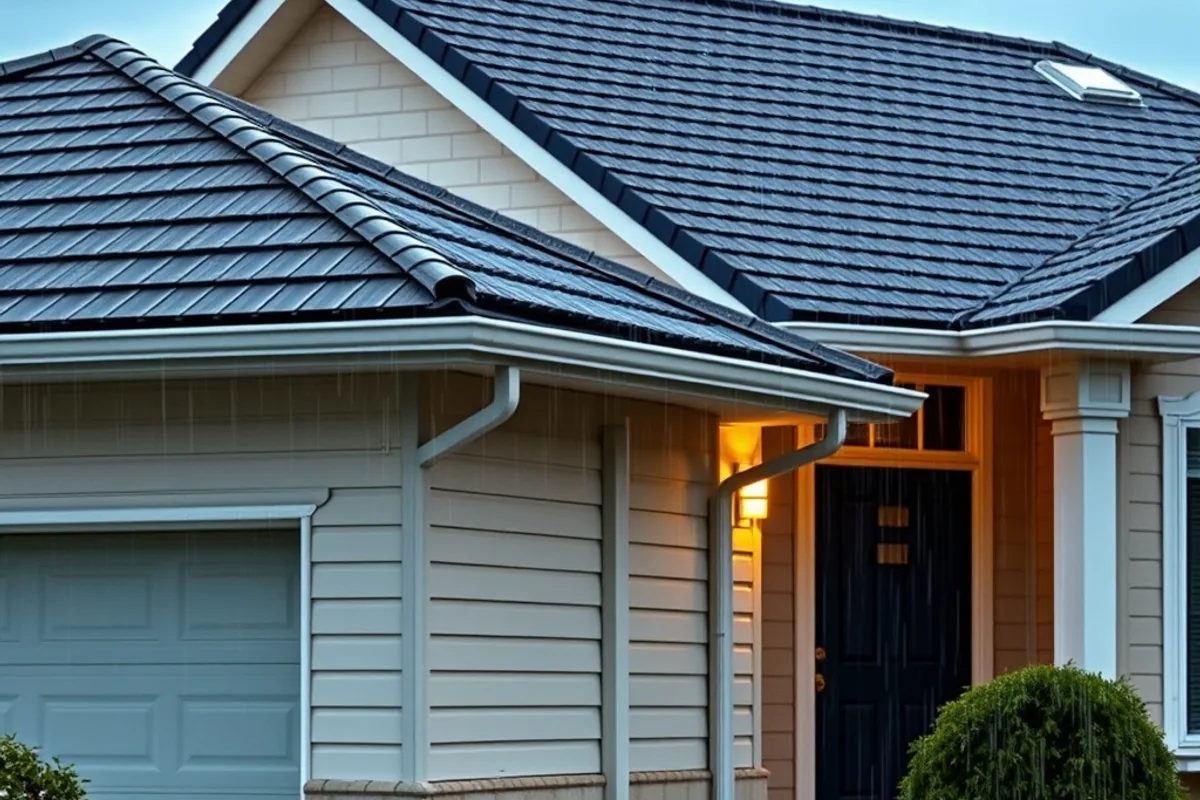
Home Insurance Premiums in 2026: Home insurance renewals have stopped being a formality. In many markets, premiums are climbing faster than general inflation, and the reasons are structural rather than a single bad year. Understanding what insurers are pricing helps you negotiate from evidence instead of loyalty.
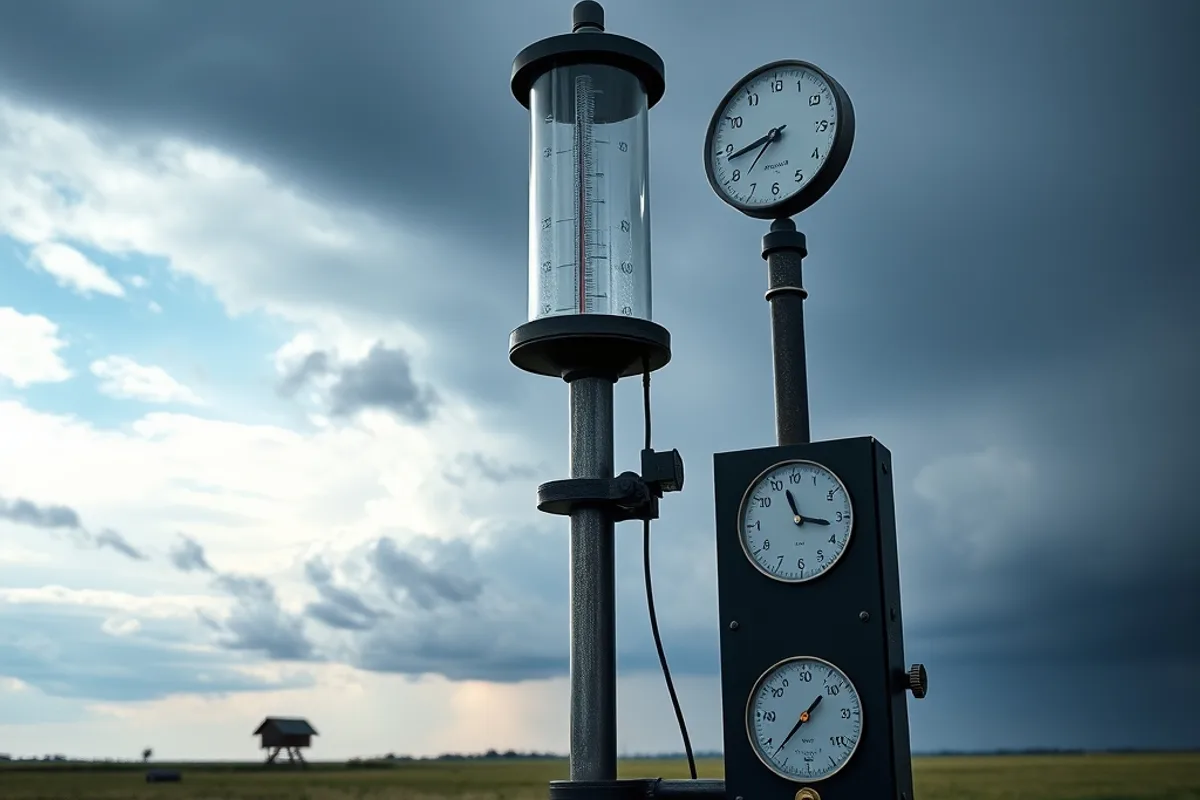
Parametric Insurance: After a flood or cyclone, the slowest part of recovery is often not the damage but the claim. Parametric insurance tries to fix that by paying a fixed amount when a defined measurement crosses a threshold. It can be fast and transparent, but it transfers a different kind of risk than a traditional policy.
Insurance reporting is often either alarmist or promotional. We try to stay with the mechanics: what is covered, what triggers a payout, what is excluded and how the premium is built. That approach explains why two neighbours can pay very different prices for similar houses, and why a cheap policy can be a false economy when a claim is disputed.
The biggest shift in 2026 is the way climate risk is being priced into everyday cover. Insurers are using more granular models, which means location, roof type and drainage can matter more than they did a decade ago. That is uncomfortable for homeowners, but understanding it is better than discovering it at renewal or, worse, after a loss.
New products such as parametric cover are worth watching, but they are not a universal fix. They pay quickly against a measurement and can leave a gap between the payout and the damage. We explain both the speed and the gap, because a product that solves a liquidity problem is valuable only if you understand what it does not solve.
Common questions about insurance news
Why did my home premium rise without a claim? Rebuild costs, reinsurance prices and local risk models can all increase. Your premium reflects the cost of the risk now, not only your own claims history.
Is a higher excess always a good way to save? Only if you could pay it immediately after a loss. An excess above your available cash turns a discount into a potential loan at the worst moment.
Does parametric insurance replace normal cover? Usually not. It pays against a measured trigger and may not match your actual loss. It works best as a complement or for a specific quantifiable exposure.