Home Insurance Premiums in 2026: Why They Keep Rising
Home insurance renewals have stopped being a formality. In many markets, premiums are climbing faster than general inflation, and the reasons are structural rather than a single bad year. Understanding what insurers are pricing helps you negotiate from evidence instead of loyalty.
Why premiums are rising faster than inflation
Three costs sit behind most increases: the price of rebuilding, the frequency of severe weather and the cost of reinsurance. Rebuilding has become more expensive because materials, labour and building regulations have all moved. A house that cost a certain amount to rebuild five years ago may now cost substantially more, even if its market value has not changed.
Reinsurance is the cover insurers buy to protect themselves against large losses. When global catastrophe losses rise, reinsurance renews at a higher price, and that cost flows into household premiums. Insurers also hold capital against risk, and regulators increasingly expect them to model climate exposure more conservatively.

Rebuilding cost, not market value
Buildings cover should reflect the cost to rebuild, not the price you could sell for. In some areas market values are lower than rebuild costs, especially for older properties with distinctive materials. Insuring for market value can leave a shortfall exactly when you need the policy most.
Ask your insurer how the sum insured was calculated and whether it includes demolition, professional fees and compliance with current building codes. Many policies cap those extras, and older homes often need upgrades that the original sum did not anticipate. Review the figure every couple of years rather than letting it drift with indexation alone.
Related reading: parametric insurance and faster weather payouts pairs well with Parametric Insurance.

Roof age and claims history
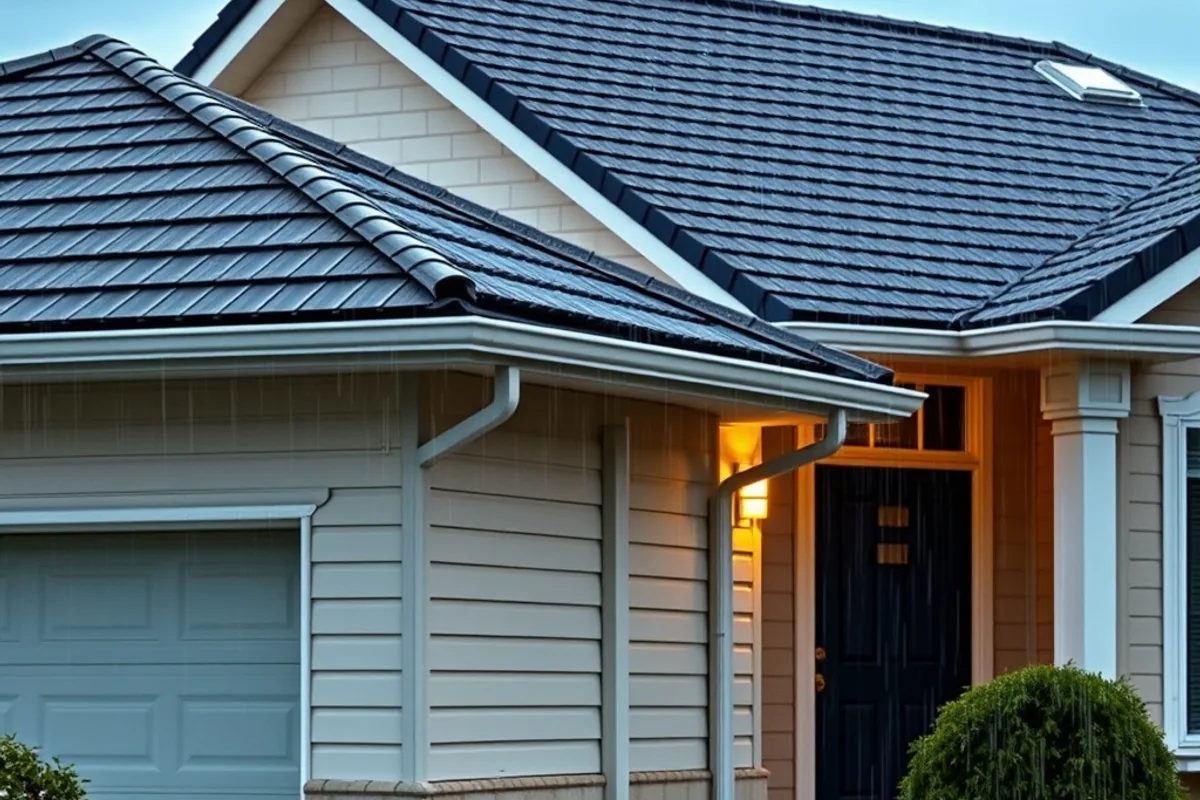
A roof is the first thing many insurers assess. Its age, material and condition determine how likely it is to fail in a storm. A roof near the end of its expected life can raise a premium or lead to a policy being declined, even if the rest of the property is well maintained. Documentation of repairs helps.
Claims history matters too, including small ones. Making a claim for a minor leak may recover less than it costs in higher premiums over the next few years. Ask for the excess and consider paying small repairs yourself. Save claims for losses that genuinely disrupt your finances, and keep receipts for maintenance work.
The cheapest policy is expensive if it leaves you unable to rebuild.
Deductibles and coverage trade-offs
Raising your excess is the simplest way to reduce a premium, but only if you could pay that amount tomorrow. A high excess that you cannot cover converts a manageable claim into a loan. Choose an excess based on your emergency fund, not on the discount advertised.
Check what is excluded before you reduce cover. Accidental damage, away-from-home cover, flood and storm damage are common add-ons. Removing flood cover in an area with any history of flooding is rarely a saving worth making. Compare the total package, not just the headline price.
Also see our guide to the mortgage refinance break-even test for a deeper comparison.

Bundling and shopping the market
Bundling home and car insurance can earn a discount, but it can also hide an uncompetitive price on one of the policies. Compare the bundled total with separate quotes from at least three providers. Loyalty is rarely rewarded in insurance; renewal quotes are often higher than new-customer prices for identical cover.
When comparing, use the same sum insured, excess and optional covers across every quote. A cheaper premium with a lower rebuild figure is not comparable. Check the insurer’s complaint record and claim settlement reputation as well, because the cheapest policy is expensive if a claim is disputed for months.
Background: how home insurance is structured.
Climate risk and insurability
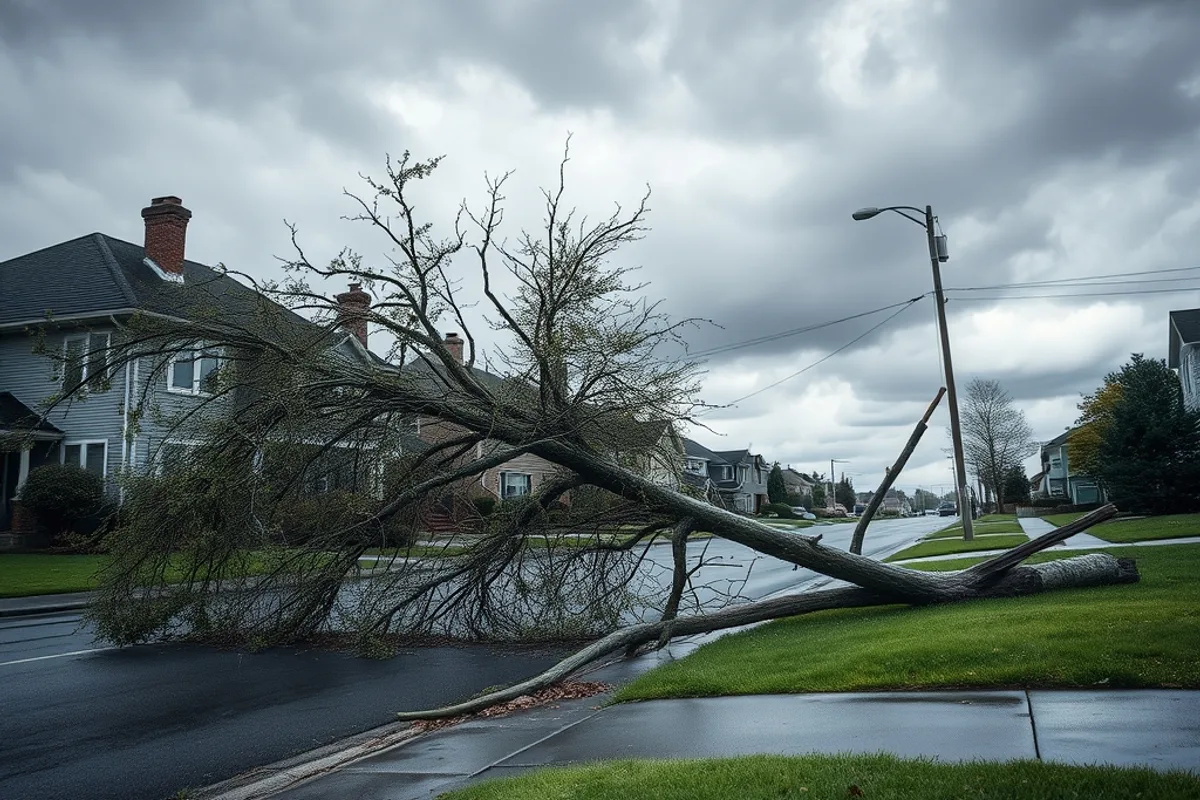
Insurers are becoming more explicit about location. Properties exposed to wildfire, flooding or coastal storm surge may face higher premiums, restricted cover or, in some cases, withdrawal of private cover altogether. This is not only a coastal-city issue; inland flooding and heat-driven events are broadening the map.
If your property is in a higher-risk area, ask what mitigation the insurer recognises: storm shutters, flood barriers, a newer roof, drainage improvements. Document the work and request a reassessment. Public schemes or last-resort insurers exist in some markets, but they usually offer narrower cover, so read the limits carefully.
What to do at renewal
Start six weeks before renewal. Check the sum insured, read the exclusions and gather three comparable quotes. Ask your current insurer what discount applies if you raise the excess or install protective devices. If you have been claim-free for several years, say so and ask whether a no-claims discount has been applied correctly.
Do not cancel automatically or let a policy lapse while you shop, because a gap in cover can create problems if something happens. Once you choose, confirm the start date in writing and check that the new policy has the cover you intended. The goal is not the lowest premium; it is the lowest premium for cover that would actually rebuild your home.
- Buildings cover should reflect rebuild cost, including demolition and code upgrades.
- Reinsurance and construction costs are major drivers of premium increases.
- Small claims can cost more in future premiums than they recover.
- Set your excess at a level your emergency fund can actually cover.
- Compare identical sums insured and optional covers across at least three quotes.