Parametric Insurance: Faster Payouts After Extreme Weather
After a flood or cyclone, the slowest part of recovery is often not the damage but the claim. Parametric insurance tries to fix that by paying a fixed amount when a defined measurement crosses a threshold. It can be fast and transparent, but it transfers a different kind of risk than a traditional policy.
How parametric cover works
A traditional policy indemnifies you for the cost of repairing an actual loss, subject to limits and an assessment. A parametric policy instead names a trigger, such as rainfall above a set level at a specific weather station, wind speed above a threshold or earthquake magnitude. If the trigger is met, the policy pays a predetermined amount.
Because the payment is linked to data rather than a loss adjuster, claims can settle in days. The trade-off is that the policy does not ask whether you actually suffered damage. It asks only whether the event occurred and the measurement was recorded, which makes the contract simpler but less personal.

Triggers: rainfall, wind, temperature
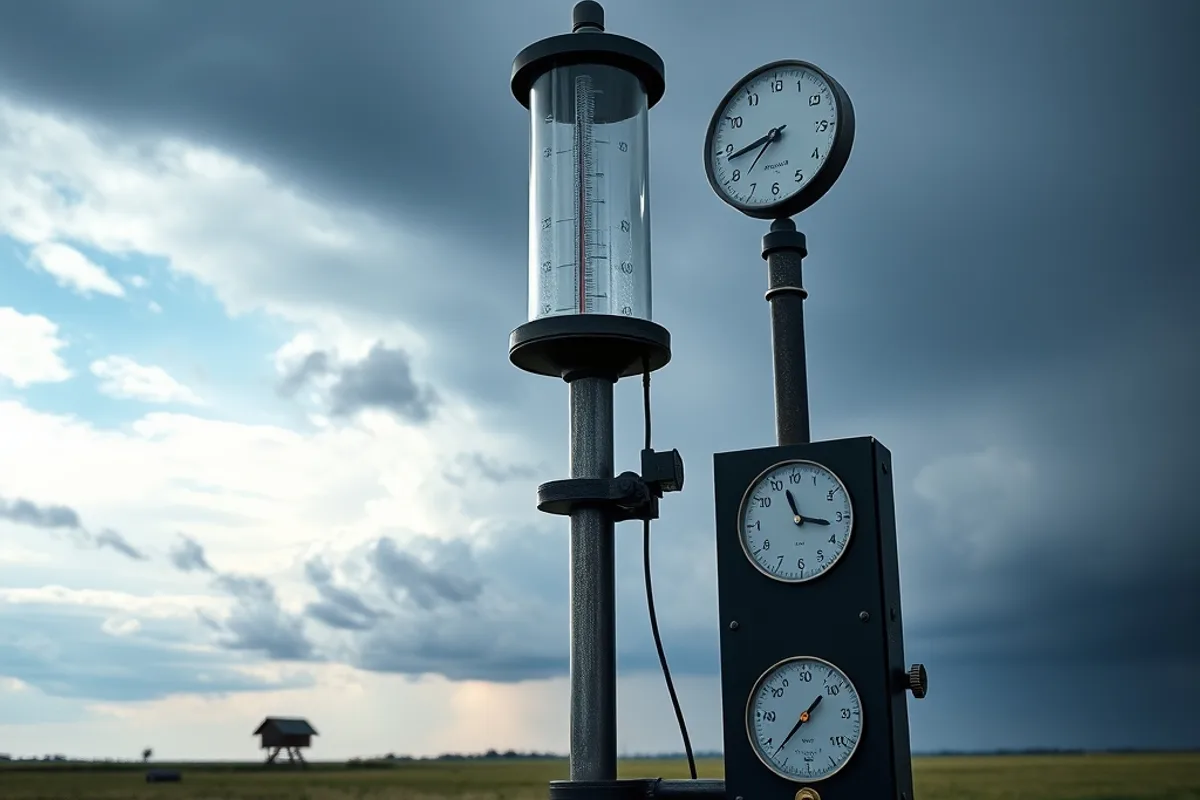
Triggers must be objective, measurable and hard to dispute. Rainfall is usually measured by a named weather station or a grid of satellite data. Wind may use sustained speed or gusts from a national agency. Temperature triggers can support agriculture or energy businesses exposed to heat or frost.
The quality of the data source is the heart of the product. Ask which station, who operates it, how missing data is handled and what happens if the station closes or fails during the event. A well-designed contract includes a fallback source and a clear procedure for disputes. Without that, the speed advantage disappears.
Related reading: why home premiums keep rising pairs well with Home Insurance Premiums in 2026.

The basis risk problem
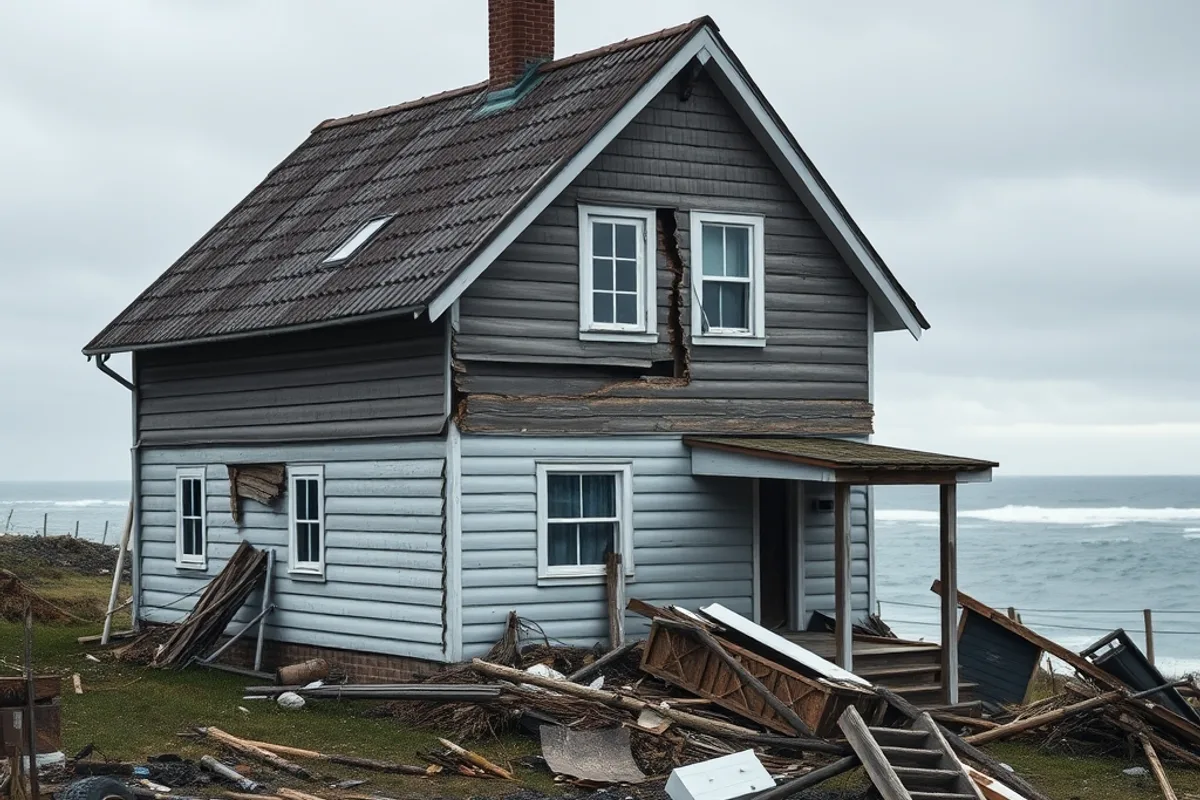
Basis risk is the gap between what the policy pays and what you actually lost. A rainfall trigger might pay nothing because the official gauge recorded just below the threshold, even though your street flooded. Or it might pay generously when your property was untouched. That mismatch is the central limitation of parametric cover.
The smaller the gap, the more useful the product. A business with a predictable revenue loss from a closed road may match a trigger well. A homeowner with highly variable repair costs may not. Model the payout against several historical events before buying, and ask what happened in the years when the trigger narrowly missed.

Parametric cover pays for the event, not the damage. Know the gap before you buy.
Who it suits and who it does not
Parametric cover tends to suit businesses and public bodies that need liquidity quickly: a farm facing drought, a utility exposed to storm outages, a municipality that must fund emergency shelter. It can also work as a complement to traditional insurance, covering the immediate costs while an indemnity claim is assessed.
It suits homeowners less often, particularly as a replacement for buildings cover. Rebuilding a house involves many variables that a single weather index cannot capture. Parametric cover may still be useful for a specific, quantifiable exposure such as solar panels or a home-based business, but it should sit alongside, not instead of, standard cover.
Also see our guide to managing cash through a disruption for a deeper comparison.
Pricing and payout mechanics
Pricing depends on the probability of the trigger, the size of the payout and the cost of the data and administration. A trigger that is likely to be hit will carry a higher premium, just as a low excess does in a conventional policy. Compare the annual premium with the expected payout over several years rather than a single scenario.
Read how the payout is calculated: a fixed sum, a tiered schedule or a percentage of a limit. Check whether one event can trigger multiple payments, whether there is an annual aggregate limit and how quickly funds are transferred. A policy that pays in 30 days is less useful than one that pays in five if the purpose is emergency cash.
Background: the structure of parametric insurance.
Regulation and consumer protection
Parametric products are insurance contracts, even when they are sold through a platform or bundled with a loan. That means licensing, disclosure and complaints rules should apply. Ask who the underwriter is, which regulator supervises them and how disputes are handled in your jurisdiction.
Consumer protection can be weaker where the product is sold as a certificate or derivative rather than a policy. Check the legal wording and the complaints route before you pay. If the seller cannot explain basis risk in plain language, that is a warning about the rest of the contract too.
Questions to ask before buying
Which exact measurement triggers payment, from which source, and over what period? What happens if the source fails? How does the payout compare with your realistic loss? Can you see the historical trigger data for the last ten years? Is the payment per event or per year, and what is excluded?
Finally, ask what the policy does not replace. Parametric cover is a liquidity tool, not a guarantee of full recovery. Used with clear eyes, it can be valuable and fast. Used as a substitute for a proper assessment of your risk, it can leave you with a payment that looks generous until the repair quotes arrive.
- Payment is triggered by a measured event, not by an assessment of damage.
- Settlement can take days, but the payout may not match your actual loss.
- Basis risk is the gap between the trigger payout and real repair costs.
- Best suited to quantifiable exposures and as a complement to indemnity cover.
- Check the data source, fallback procedure and payout timing in the contract.