Refinancing Your Mortgage in 2026: When It Actually Pays Off

Refinancing is sold with a simple promise: a lower rate means a lower payment. The reality is a trade between upfront costs, a new term and the time you plan to stay. Run the numbers properly and many tempting offers turn out to be neutral or worse.
Refinancing is a math problem
When you refinance, you replace an existing mortgage with a new one. The old loan is repaid, the new loan starts, and you pay closing costs to arrange it. The benefit comes from a lower rate, a shorter term, a change in loan type or access to equity. Each has a different calculation.
Start with the purpose. If the goal is to reduce total interest, compare the remaining interest on your current loan with the total interest on the new one, including costs. If the goal is to lower the monthly payment, extend the term cautiously, because a smaller payment over more years can cost far more overall.

The break-even calculation
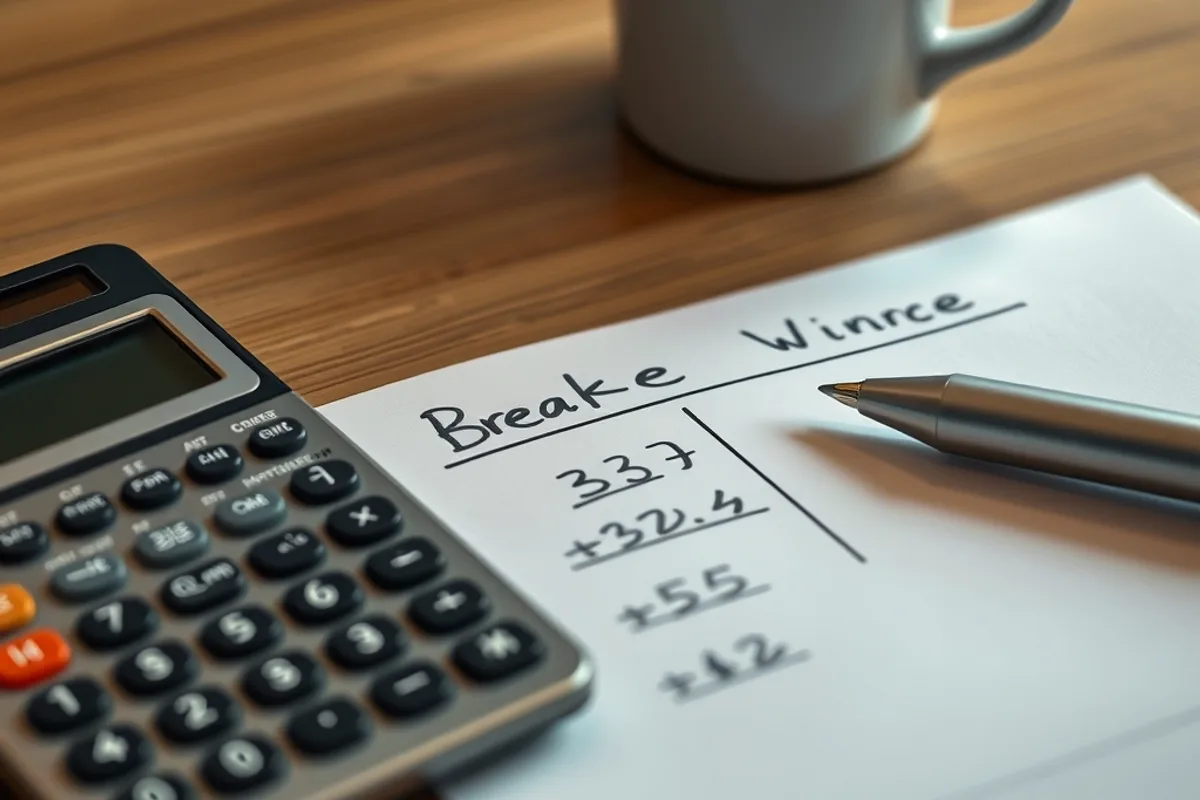
Divide the total closing costs by the monthly saving to get the break-even in months. If refinancing costs 4,000 and saves 150 a month, the break-even is about 27 months. If you expect to sell or repay the loan before then, you will not recover the cost through the lower payment.
This simple version ignores tax, opportunity cost and changes in the balance, but it is a useful first filter. A more complete calculation compares the remaining balance on both loans at the point you expect to sell. The result can differ from the monthly-payment comparison, especially when the new loan resets to a longer term.
Related reading: why home insurance premiums are climbing pairs well with Home Insurance Premiums in 2026.
Closing costs and what counts
Closing costs typically include an application fee, valuation, legal work, title search, registration and sometimes a broker commission. Some lenders offer a “no-cost” refinance, which usually means the costs are added to the balance or recovered through a slightly higher rate. Neither is free; both are simply paid differently.
Ask for a full written cost breakdown before you commit. Compare the APR, which incorporates many of the fees, rather than the headline rate alone. If the lender rolls costs into the loan, calculate the interest on that larger balance over the full term. Small fees financed over 30 years can become a surprisingly large sum.

Divide the closing costs by the monthly saving. If you sell before break-even, the refinance lost money.
Rate-and-term versus cash-out
A rate-and-term refinance changes the rate, the term or both without increasing the loan beyond the costs. It is the cleaner option when rates have fallen or you want to pay the debt faster. A shorter term raises the monthly payment but can save a large amount of interest.
A cash-out refinance increases the loan and gives you the difference in cash. It can be useful for a renovation or to consolidate higher-interest debt, but it turns unsecured debt into debt secured against your home. If the plan does not work out, the lender can ultimately take the property, which is a serious difference from a credit card.
Also see our guide to personal loans versus credit cards for a deeper comparison.

When not to refinance
Do not refinance if you plan to move within the break-even period, if your credit has deteriorated enough that the new rate is not genuinely lower, or if the only benefit is a smaller payment achieved by restarting a 30-year term late in the loan. In the final years of a mortgage, most of the payment is principal, and resetting the clock is expensive.
Be cautious about refinancing to consolidate credit card debt without changing the spending that created it. The cards often refill, and now the debt is secured. A consolidation loan only works alongside a budget and a plan to stop using the freed-up credit.
Background: how mortgage refinancing works.
Shopping lenders properly
Get quotes from your current lender, a credit union or building society, an independent broker and at least one direct online lender. Ask each for the rate, APR, total closing costs and the monthly payment on the same loan amount and term. Use the same property value and repayment date so the comparison is fair.
Check whether the lender services the loan itself or sells it, and how that affects communication. Read the early-repayment terms, because a loan with a long fixed period may carry a penalty if you sell. A slightly higher rate with no lock-in can be better for someone likely to move.
After you close
Confirm that the old mortgage has been repaid and closed, and check your credit report after a couple of months to ensure both loans are recorded correctly. Set up the new payment immediately and keep the closing documents somewhere you can find them at tax time or when you sell.
Then revisit the reason you refinanced. If the goal was to pay off the loan faster, keep the old payment amount and direct the difference to principal. If the goal was to free up cash, make sure the freed money is doing what you intended rather than disappearing into ordinary spending. The refinance is only the start of the plan.
- Break-even months equal total closing costs divided by the monthly payment saving.
- A lower payment from a longer term can increase total interest substantially.
- No-cost refinances usually recover costs through the rate or the balance.
- Cash-out refinancing turns unsecured debt into debt secured on your home.
- Do not refinance if you will move before the break-even point.